


For 50 Years, Kristen Thought She Was the Problem
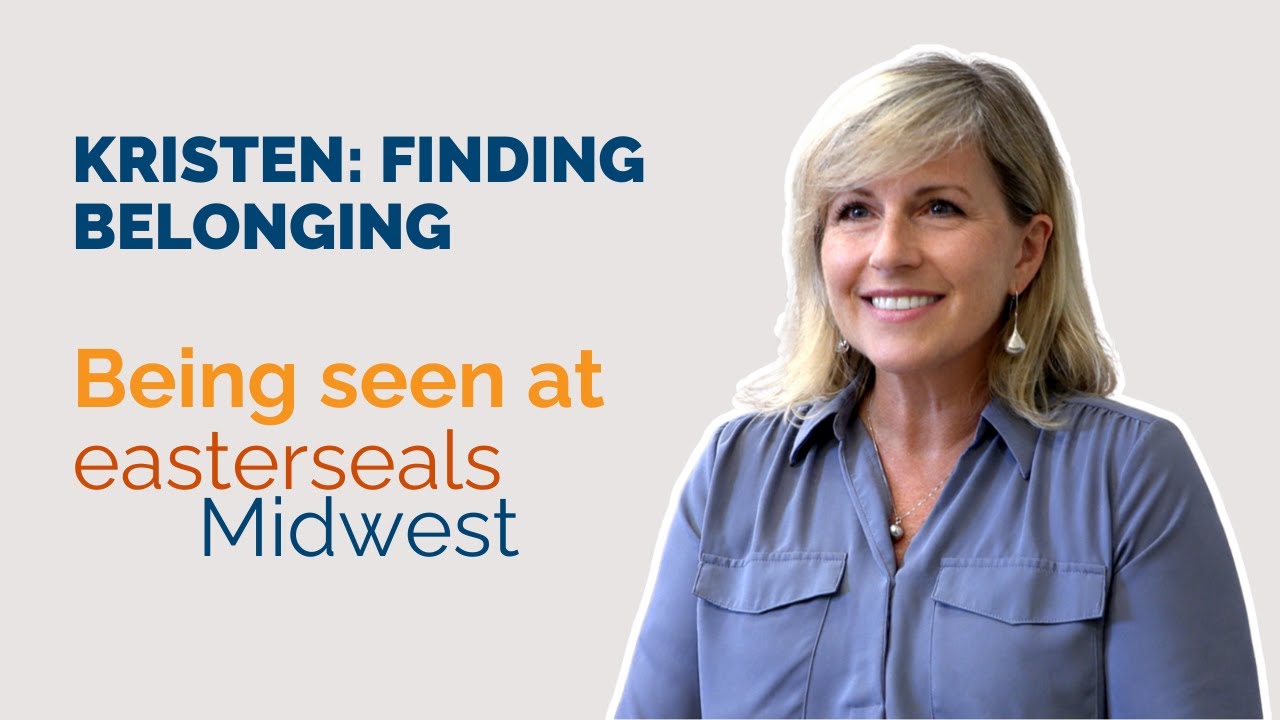
After decades of feeling different, Kristen Godar finally learned she had autism. Now, she has found purpose helping others.
“I Felt Like an Alien”
For most of her life, Kristen Godar believed something was wrong with her.
She struggled with social situations, loud emotions, and things that seemed easy for everyone else. As a child, she often felt confused, overwhelmed, and ashamed.
“I felt very much like an alien,” Kristen said. “All the things that seemed natural to other people were a complete mystery to me.”
Kristen was born in 1970, long before autism was widely understood — especially in girls. At that time, autism was believed to affect only about 2 to 4 children out of every 10,000. Today, the CDC estimates that 1 in 31 children are identified with autism.
Back then, many people believed autism looked only one way. Girls who learned to hide their struggles were often overlooked completely.
Kristen learned early that the world expected her to act a certain way. So she studied the people around her and copied them. By high school, masking had become a survival skill.
“I began to mimic the girls around me,” she said. “Their clothes, mannerisms, even the way they talked.”
From the outside, she looked fine. Inside, she was exhausted.

A Lifetime of Questions
School was one of the first places Kristen realized she felt different. In first grade, she struggled to learn how to tell time on an analog clock. While the other students moved ahead, she could not grasp the lesson.
“The teacher made the whole class wait until I understood it,” Kristen said. “I remember feeling humiliated.”
Every day at recess, she sat against the school wall and cried. As she got older, the challenges followed her into adulthood. Kristen dealt with anxiety, depression, emotional dysregulation, and intense social fear for decades.
Understanding Herself for the First Time
Receiving a diagnosis did not erase Kristen’s struggles overnight. But it gave her something she had never truly had before: answers.
For years, Kristen blamed herself for the challenges she faced. She believed she had failed at relationships, work, and everyday life because she simply was not trying hard enough.
She knew she was intelligent. But after years of struggling with things that looked simple to everyone else, she began to question herself.
As an adult, long before she received her autism diagnosis, Kristen took the test to become a member of Mensa, the international organization for people with exceptionally high IQs. She was accepted.
“I was desperate for validation,” Kristen said. “I carried my Mensa card with me everywhere and took it out almost every day to remind myself that I’m not stupid.”
The card did not solve the problems she faced. It didn't make social situations easier or quiet the constant self-doubt. But it gave her tangible proof that she was not lacking intelligence. The answer had to be something else.
Eventually, Kristen began researching autism in women after someone suggested she might have autism herself. The deeper she looked, the more her life finally started to make sense.
At age 50, Kristen received her autism diagnosis.
Her diagnosis helped her understand that many of the struggles she had carried for decades were connected to living with autism without support or accommodations.
“It was staggeringly important,” Kristen said. “Finding out all of it wasn’t my fault.”
Today, Kristen says she is still learning new things about herself all the time.

Finding Purpose at Easterseals Midwest
Today, Kristen works as a Self-Determination Instructor at Easterseals Midwest. She teaches young adults about their rights, self-advocacy, and independence as they transition into adult life. Many of the lessons are things she wishes someone had taught her years ago.
“I’m helping people learn the things I needed when I was their age,” Kristen said.
Before joining Easterseals Midwest, Kristen spent years working in corporate office settings that left her drained and overwhelmed. Now, she says this is the first workplace where she truly feels accepted.
“I don’t have to hide who I am here,” she said. “I’m appreciated for who I am.”
That support has changed her life. Kristen says teaching others has also helped heal parts of herself.
“It’s healing me at the same time as helping other people,” she said.
Still Learning, Still Growing
Kristen says getting diagnosed did not magically erase every struggle. She still deals with anxiety. She still questions herself. She is still learning how to separate years of masking from her authentic self.
“I’ll probably spend the rest of my life learning to unmask,” she says.
But today, she understands herself with far more compassion than she once did.
Instead of seeing every struggle as a personal failure, she now recognizes how difficult it was to move through life without answers or support. And now, through her work, she helps others know they are worthy of support too.
“I want people to understand that they have rights,” Kristen said. “That they deserve those rights. That they can advocate for themselves.”
For Kristen, that message is deeply personal. And every class she teaches is a reminder that no one should have to spend a lifetime believing they are alone.
More Like This
-

Eightfold Harmony Comes to Crafted & Uncorked
Eight people supported by Easterseals Midwest created eight unique panels that come together as Eightfold Harmony, a one-of-a-kind auction piece. -

Trudy Finke Was Told She Wouldn’t Live to Adulthood. She Lived 72 Years.
Doctors said Trudy Finke would not live to adulthood. She proved them wrong, building a life marked by friendship and joy. -

Confidence Can Take You Far: Sarah’s Journey to the National Stage
We all deserve to be seen and celebrated. Sarah’s journey shows what happens when confidence grows and opportunity collides with self-worth. -

Charise Hilton Found a New Way to Give Back
After 20 years in retail management, Charise Hilton wanted to use her experience to help people with disabilities find successful employment.


Let's Stay Connected!
Get exciting news, helpful resources, & inspiring stories delivered to your inbox each month.